
Coffee Trailer and Truck Builds in Georgia
We build coffee trailers and trucks from scratch in Georgia, and consult on builds already under way. Layout, power, water and county requirements.
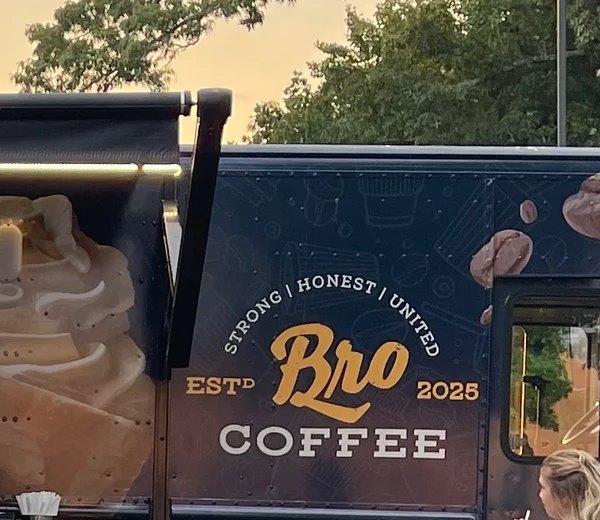
We run a coffee truck in the Atlanta metro, and we build them. Those two things are related more than they sound: everything we put into a build came from learning what breaks, what slows a line down and what an inspector asks for on a truck we service ourselves.
What we build
Coffee trailers and coffee trucks, from scratch, for people setting up in Georgia and the metro around Atlanta. You bring the concept and the menu; we plan the layout around it, fit the equipment, run the power and water, and hand it over finished and wrapped. If you already own a shell or a van, we work from that instead.
We also build carts, and we will say up front when a cart is the wrong call. A cart goes through a doorway and lives indoors; a trailer parks outside and works alone. The two are not interchangeable, and picking wrong is an expensive mistake to find out about later.
Trailer or truck
Most people searching for a coffee truck should be looking at a trailer. A trailer costs less to build, less to insure and far less to keep on the road, and you can unhitch it and still have a vehicle. The case for a truck is when you need to move between several stops in a day without unhitching, or when parking rules where you work favour a single vehicle.
A trailer’s catch is that you need something to tow it and somewhere to leave it. If you have neither, that changes the maths back. We will walk you through both before you commit to either.
Layout is the whole job
The difference between a build that serves a line and one that jams is the walking distance between the grinder, the machine, the ice and the window. A coffee build is not a kitchen — the barista works in a space the size of a hallway and repeats the same four movements all day. We lay it out around those movements first, then fit the rest around what is left.
That is also where most self-built trailers go wrong. The equipment is fine; the order it sits in is not.
Power and water are the part people underestimate
An espresso machine pulls hard, and it pulls hardest at exactly the moment the blender is running and the line is longest. Sizing the generator to the nameplate on the machine is how you end up tripping out mid-service. We size for the worst minute of your day, not the average one.
Water is the other one. Fresh tank, grey tank, heater, pump, and a three-compartment sink if your county wants one — it adds up in weight before it adds up in cost, and weight is what decides what can legally tow you.
Permits and inspection in Georgia
Requirements are set county by county here, not statewide, and the build has to match the county you plan to operate in. Sink count, water capacity, hand-wash placement and ventilation are the usual sticking points. We build to the rules of the county you name and tell you what the inspector will look at — but the permit is yours to pull, and we will not promise an outcome that is not ours to give.
If you only want the advice
Plenty of people call us with a trailer already bought, or with a plan and no idea whether it holds up. We consult on that on its own: menu and throughput, equipment choices, layout, power and water sizing, and what the first season actually looks like once the novelty wears off. No build required, and we will tell you if we think the idea needs rethinking.
Start a conversation
Tell us what you want to sell, where you plan to work and whether you are starting from nothing or from a shell you already own. We will come back with a straight answer on whether a trailer, a truck or a cart fits — including when the answer is that you do not need us yet.
Call (470) 979-6663 or write to info@brocoffee.us and say it is a build enquiry, so it does not land in the catering queue.